
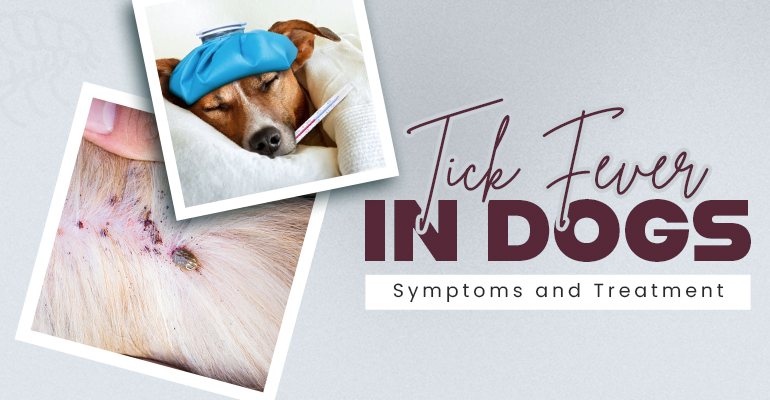
Tick Fever in Dogs: Symptoms and Treatment
The arrival of warmer days can bring a lot of things, including ticks. And with ticks comes tick fever in dogs that can be spread through infected tick bites. Tick fever is very common in dogs living in tick-prone areas, and can affect their overall health. Usually, the symptoms will be so mild initially that you may not notice them until they become severe. This blog describes what tick fever is, its symptoms, and treatment so you can take care of your dog’s well-being.
What is Tick Fever in Dogs?
Tick fever in dogs is a general term that refers to a whole group of infections caused by various bacteria and blood parasites such as Ehrlichia and Babesia. There are various tick species that act as vectors and transmit these pathogens to a host during the blood-feeding process.
Regardless of whether you find only one or two ticks, or dozens of them on your dog, the danger of tick fever is real. Remember that a single tick carrying an infection is enough to infect your pet. Once it attaches itself to your pet for 24-48 hours, it can already spread infection in your pet’s bloodstream through the bitten area. Tick fever is a widespread threat that affects a dog’s blood cells and immune system.
Symptoms of Tick Fever in Dogs
The severity of tick fever in dogs depends on the type of pathogens causing the infection. These are some of the symptoms that you should look out for:
- Temperature up to 105°F (40.5°C)
- Lethargy
- Coughing
- Lack of appetite
- Swollen lymph nodes
- Vomiting
- Diarrhea
- Inflammation of joints
- Abdominal pain
- Pale or yellow gums
- Dark or reddish urine
- Swelling of the face or limbs
In more severe cases, some dogs may show small, purplish-red spots on the eyelids or inside the mouth. There are some neurological changes, such as altered mental states, impaired balance, or painful spinal sensitivity that may become evident in dogs.
In case your dog is showing any of these symptoms, consult your veterinarian right away. Early identification of tick fever and its treatment can help improve recovery outcomes.
Diagnosis of Tick Fever in Dogs
The veterinarian begins with a physical examination and will ask about your dog’s recent tick exposure and check for signs listed above. Tick fever diagnosis tests include PCR testing, blood smear, complete blood count (CBC), and serology/antibody tests.
Treatments for Tick Fever in Dogs
Based on the kind of pathogens causing tick fever in dogs and the severity of infection, your vet may begin immediate treatment to reduce the risk of this potentially fatal infection. Because delays in administering treatment may make the situation worse.
Antibiotics
- Treatment with antibiotics is initiated immediately, sometimes without waiting for blood test results. These antibiotics are commonly used for bacterial infections, and administration lasts several weeks under vet guidance.
Anti-parasites
- The specific antiprotozoal treatments are recommended for parasite-related infections (babesiosis).
Supportive Care
- The type of supportive care will depend on the severity of the infection. It may include IV fluids for dehydration, anti-inflammatory support, nutritional care, and blood transfusions.
With the start of these treatment protocols, most dogs begin to recover within days. Even if the infected dog’s health improves, your vet will still recommend completing the full treatment course to prevent relapse.
Along with tick fever treatments, your vet may perform regular monitoring of platelet levels through blood tests to notice the improvement. Full recovery of your dog may depend on how early the treatment starts and the severity of the infection.
Ongoing Tick Control
The risk of tick fever reinfection remains, even if your dog is fully recovered. Ongoing tick control, the common cause of tick fever, is the most important preventive step pet parents can take. Here are some effective preventive steps:
1. Avoid high-tick-prone areas.
2. Inspect your dog regularly; any tick found on your dog should be removed properly using fine-pointed tweezers.
3. You can use vet-recommended tick products such as:
- Spot-on tick treatments
- Oral tick preventives
- Tick collars
- Tick repellent sprays and shampoos
These can help reduce the risk of tick reinfestation when used as part of a regular care routine.
Final Thoughts
You may not notice early how tick fever in dogs can progress silently and may become serious. Regular vet check-ups may help in recognizing symptoms early and support timely treatment. Veterinary care and continuous tick protection play a very important role in your dog’s recovery and prevent further tick exposure. Don’t wait for “it will get better,” and always visit your vet at the first sign of doubt.
Frequently Asked Questions
1. Can humans get tick fever from dogs?
Well, it’s impossible to contract the disease from your infected dogs directly; however, contact with fluids and excretions while removing ticks may spread the infection to humans.
2. Is tick fever in dogs fully curable?
Yes, in most cases, infected dogs recover well if tick fever is diagnosed early and treated promptly with appropriate care.
3. Can tick fever come back after treatment?
There are chances for its recurrence if your dog doesn’t complete the full course of antibiotics. Also, exposure to infections to infected ticks again can cause fresh infections too.
4. Can tick fever be transmitted from other pets?
There is no direct risk, but tick fever can spread through the transfer and biting of infected ticks from an infected pet to a healthy pet.